The Forum
Zimbabwe's Statutory Tripartite Platform
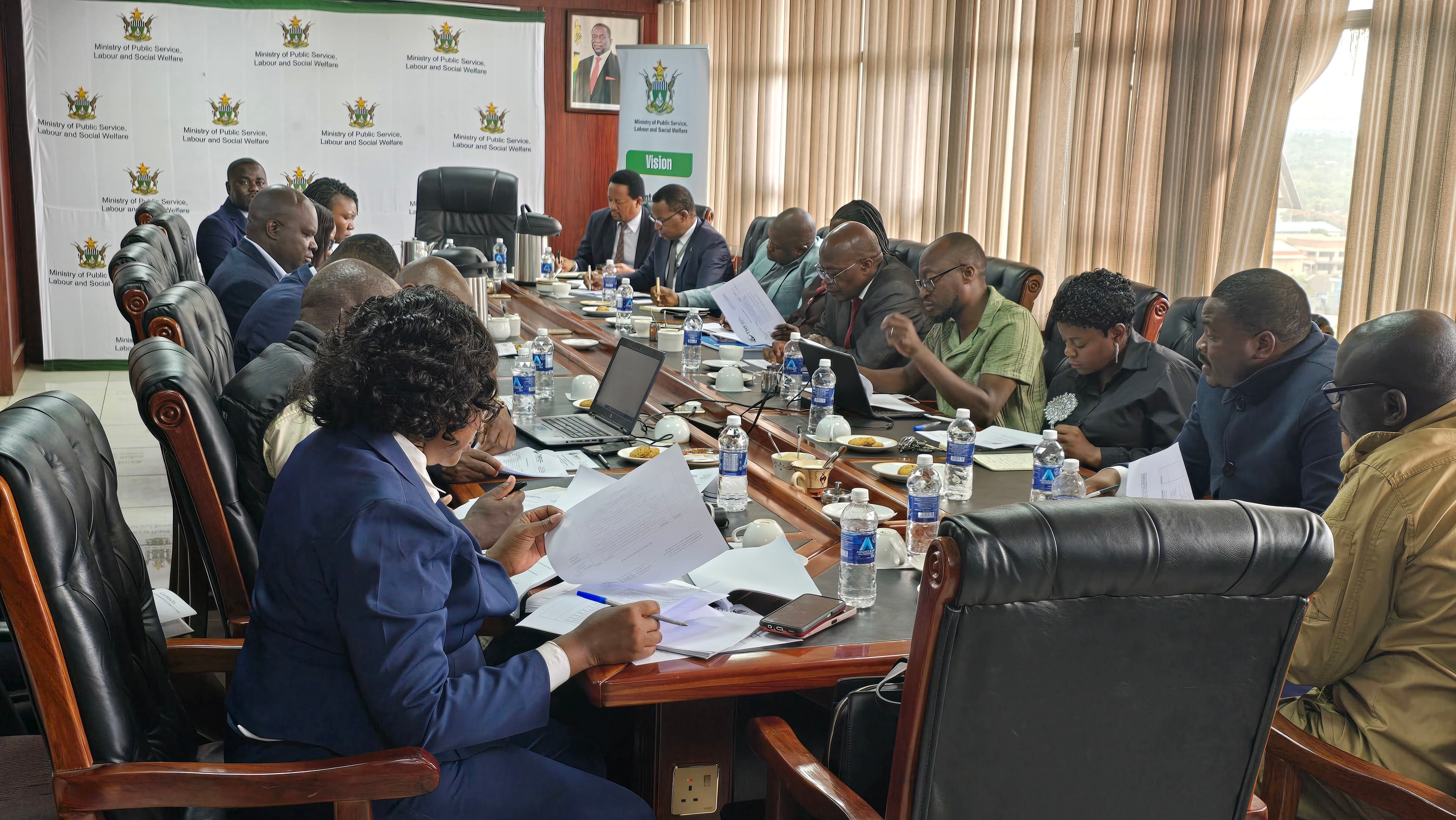
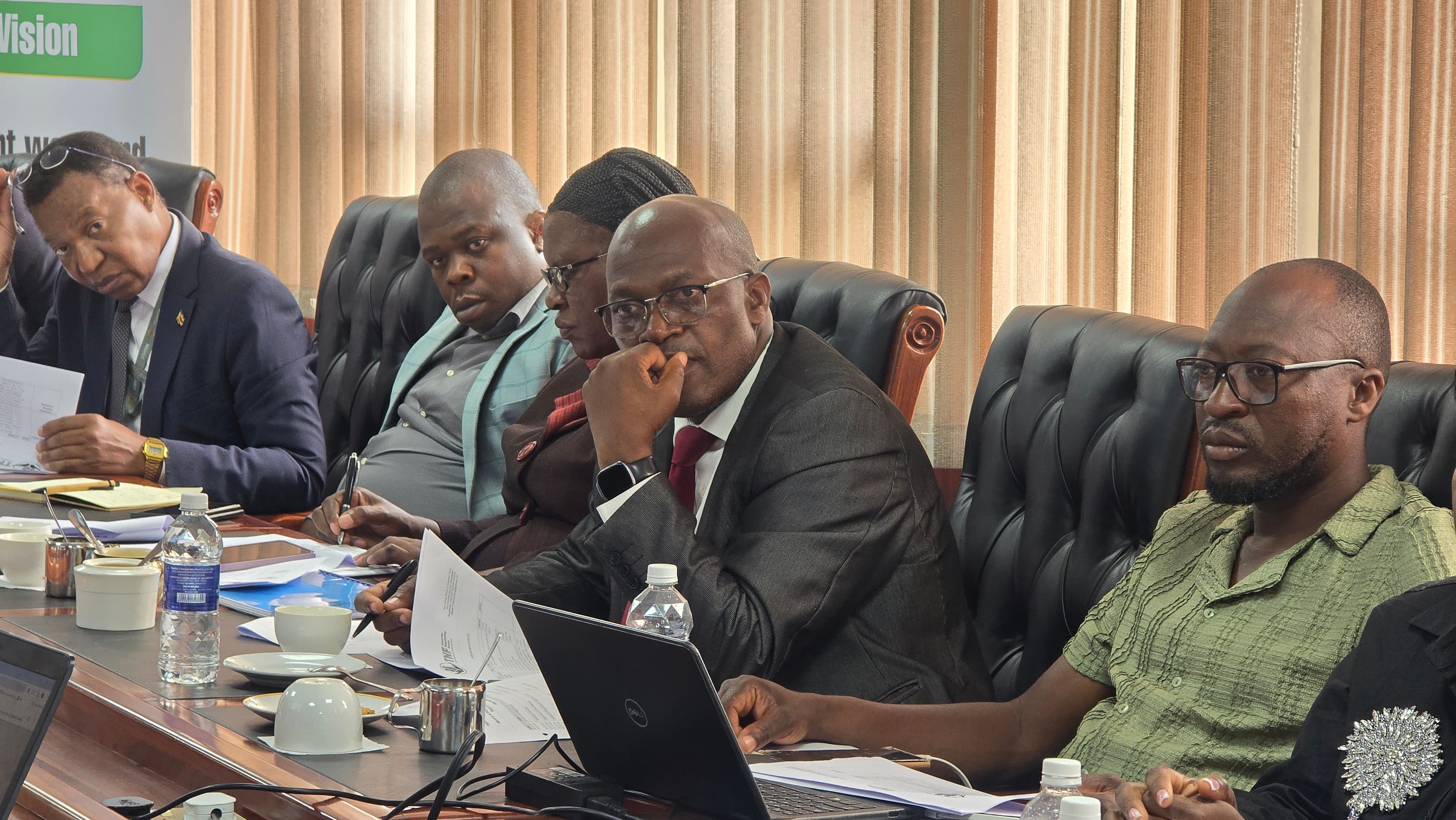
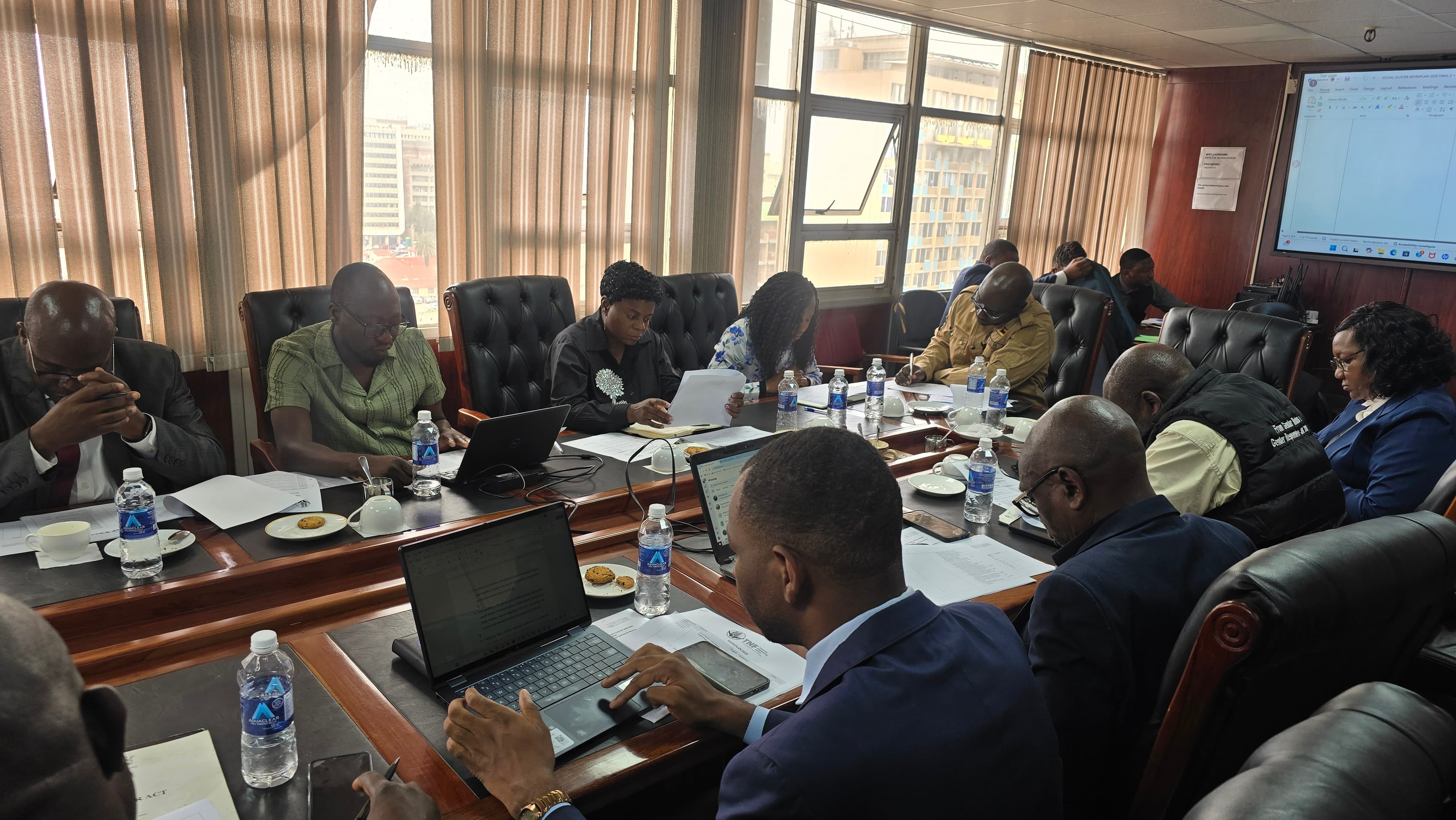
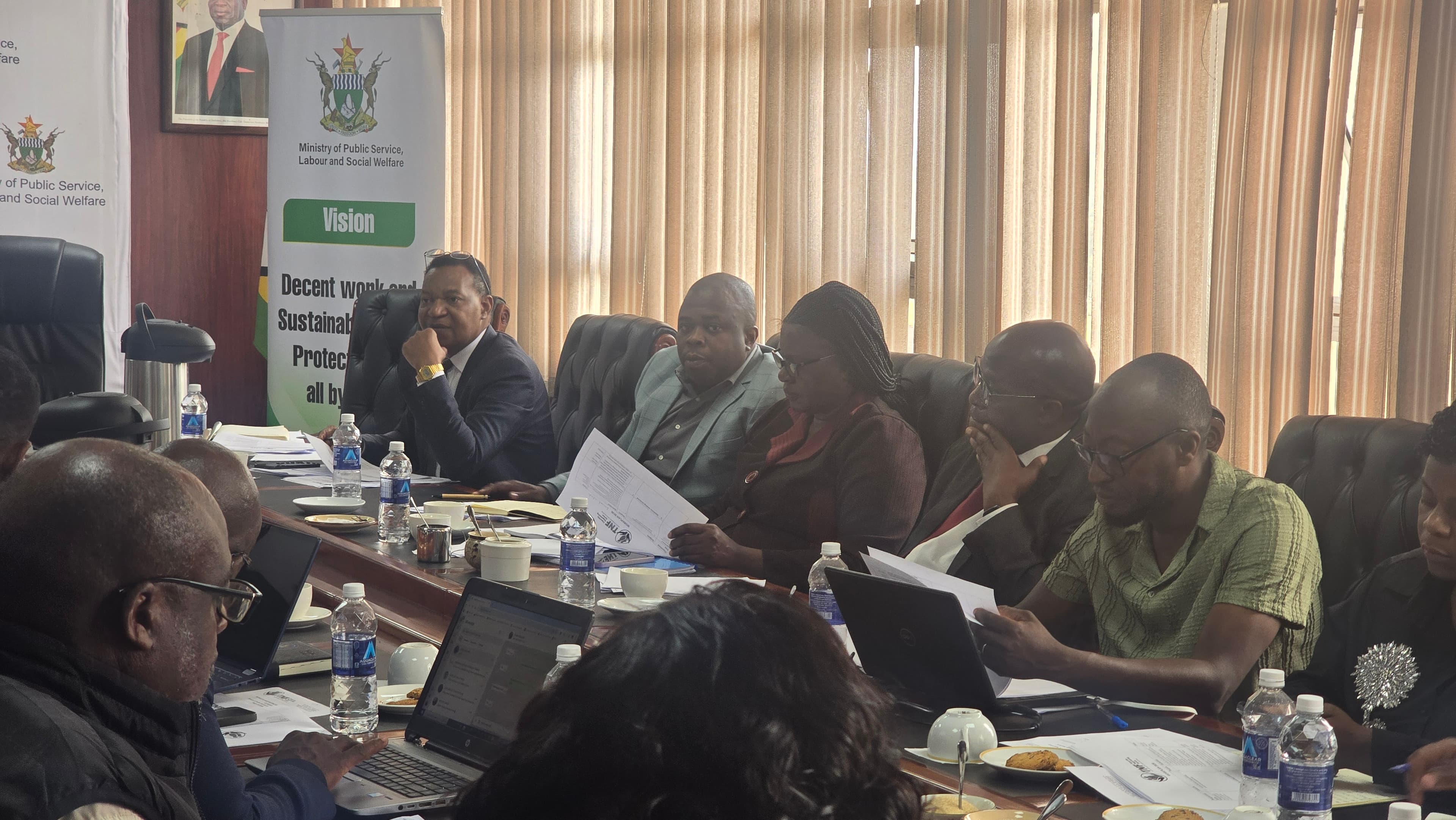
The Tripartite Negotiating Forum (TNF) is Zimbabwe's national platform where government, organised business and organised labour address socio-economic and labour market issues, from voluntary forum in 1998 to a legislated body under the TNF Act of 2019.
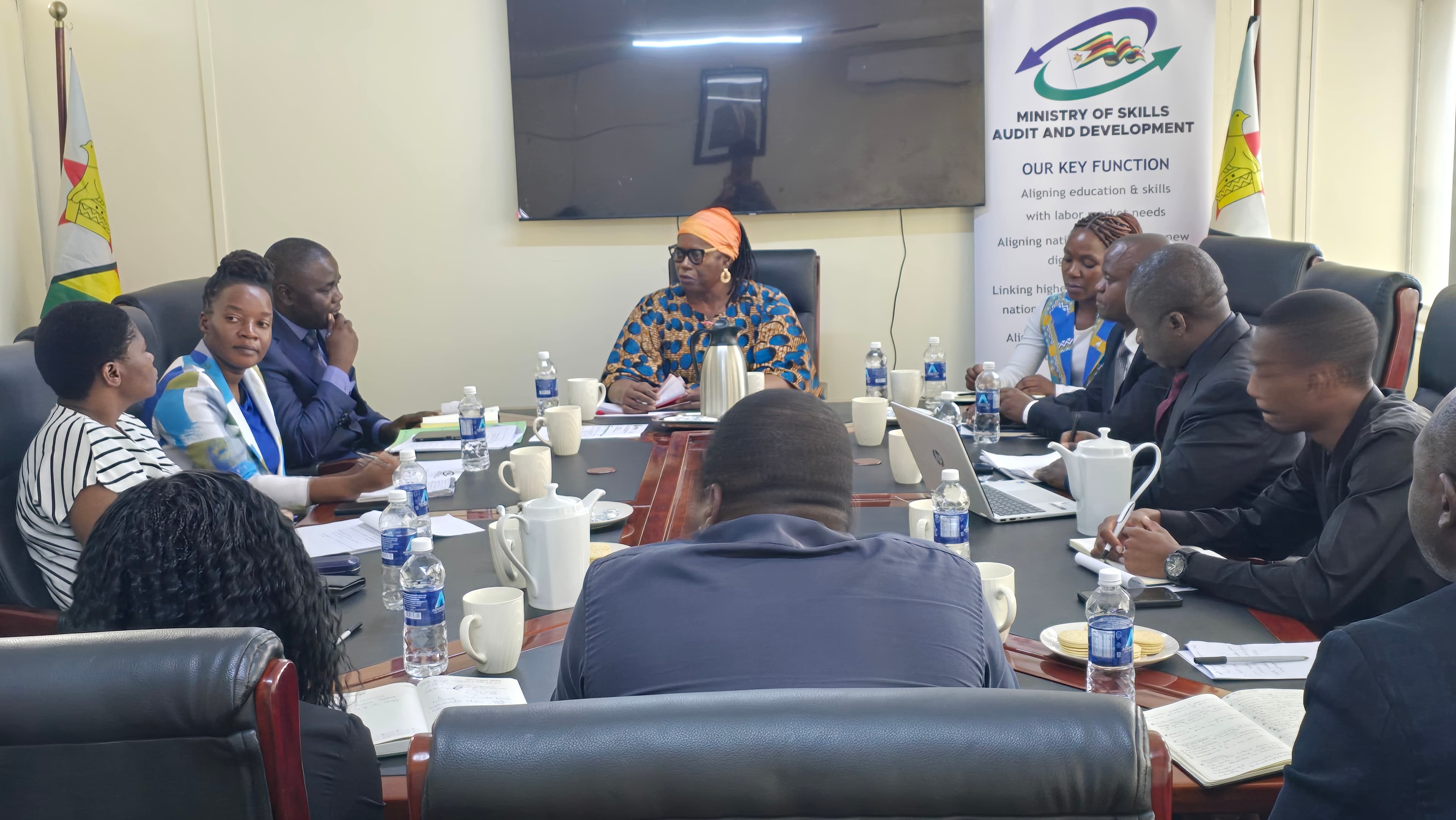
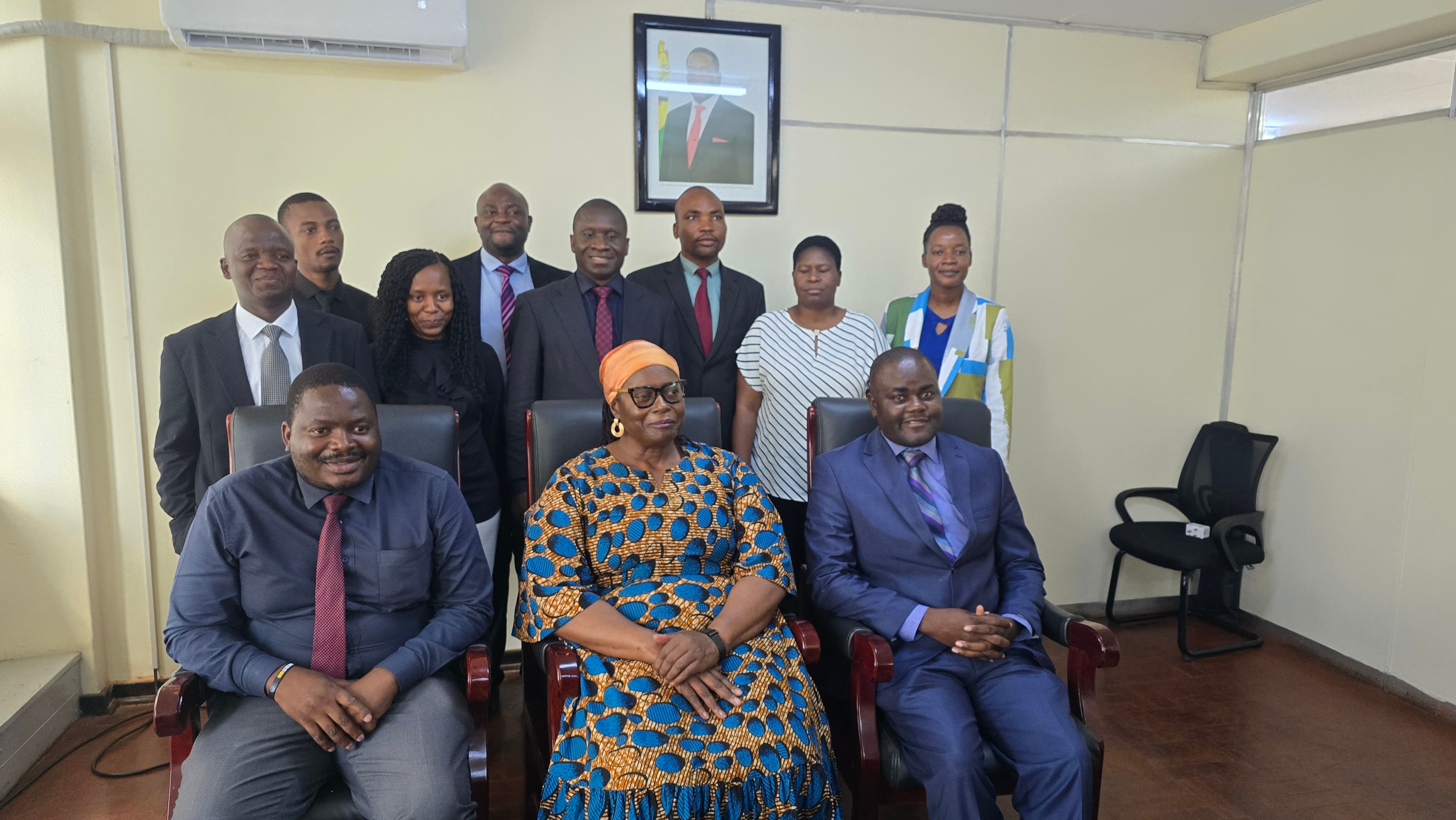
About TNF
What is the Tripartite Negotiating Forum?
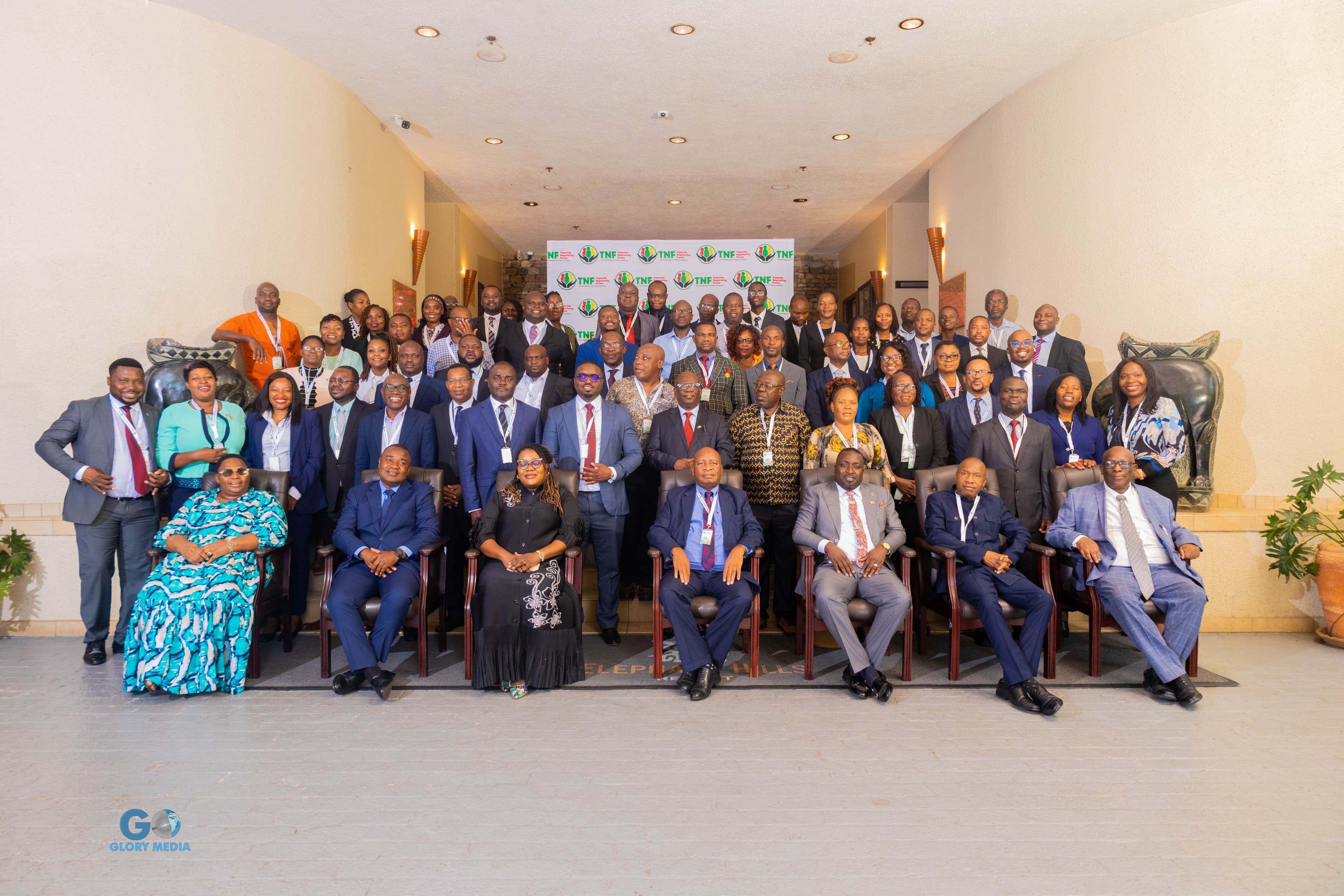
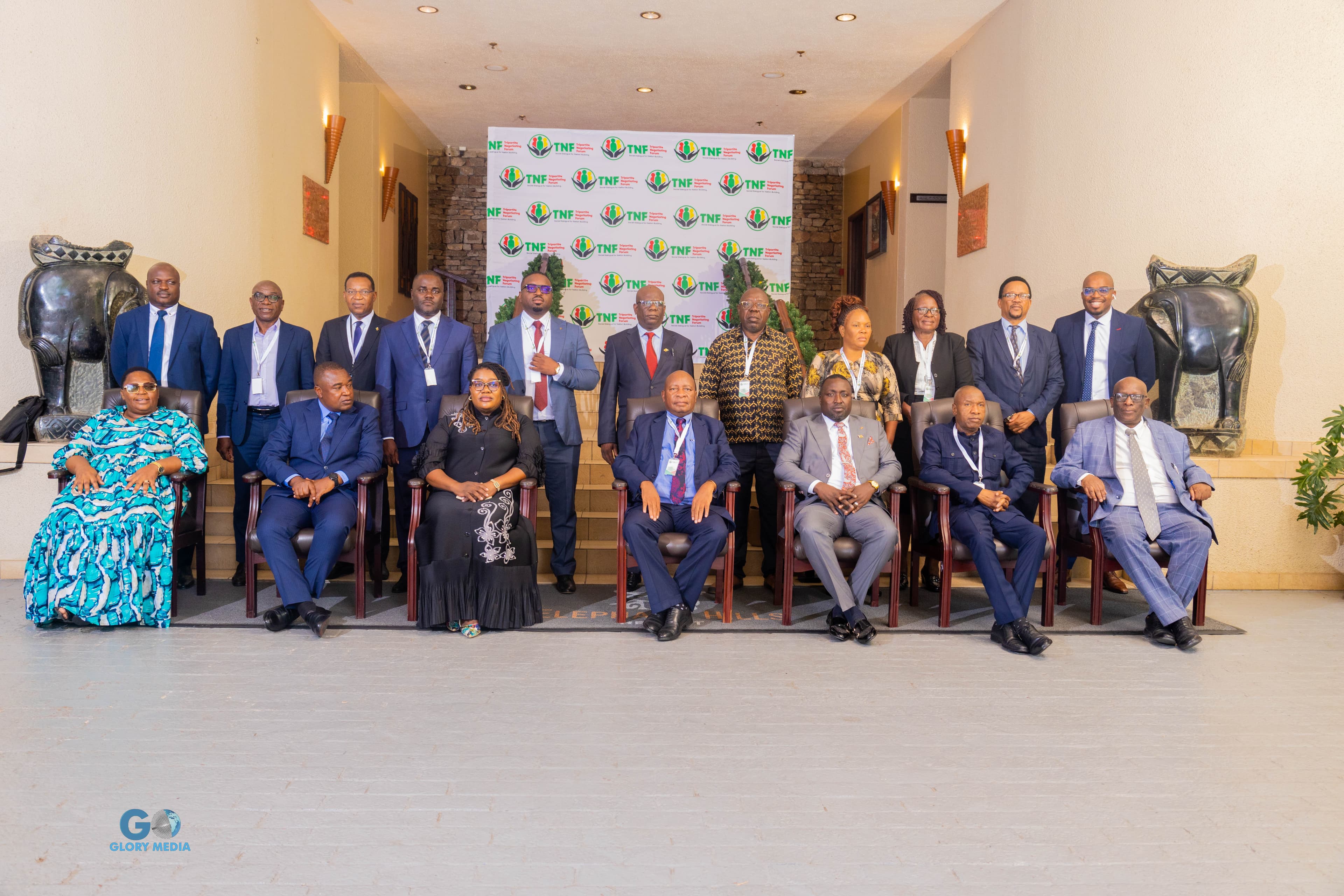
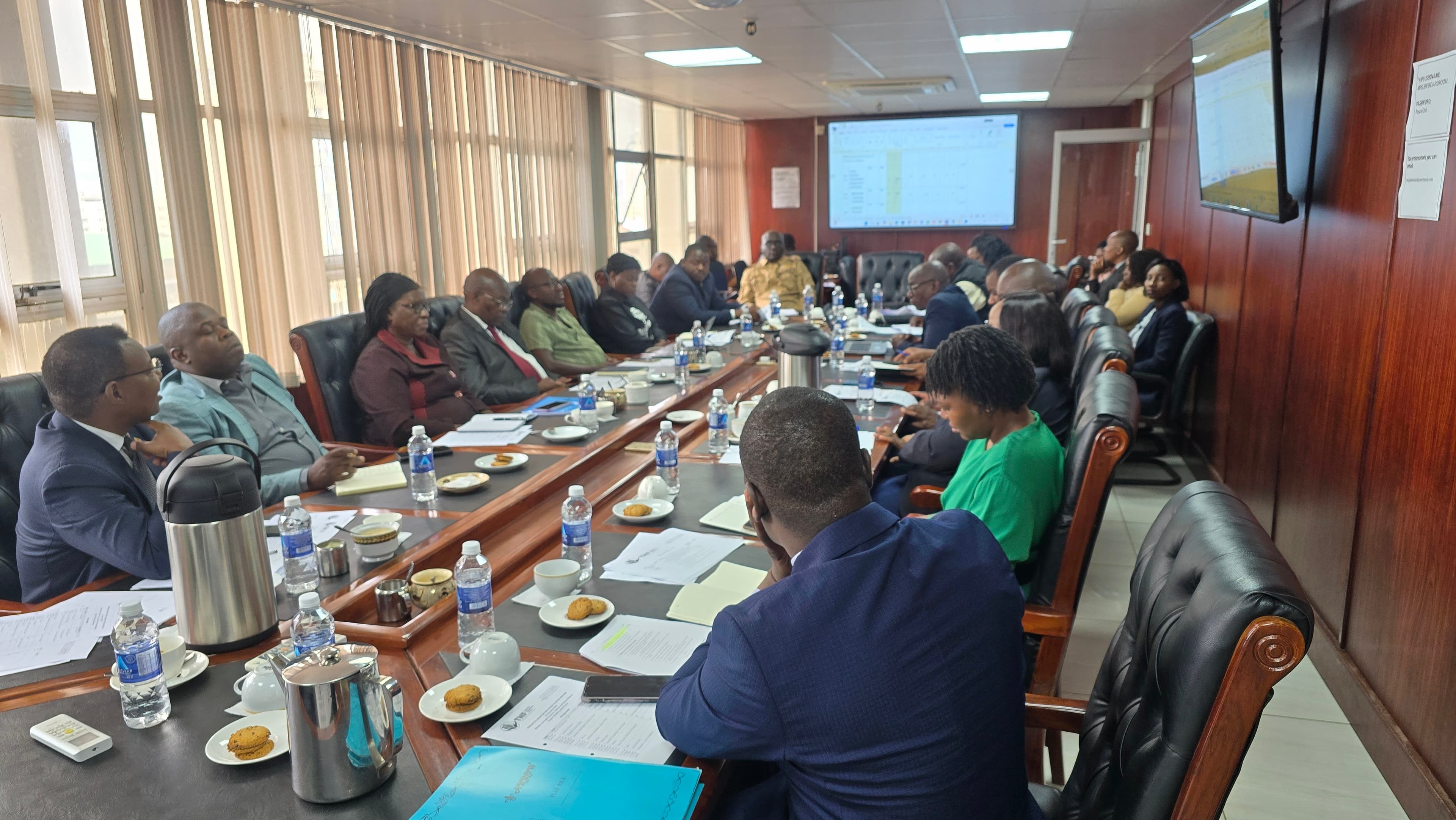
Social dialogue in Zimbabwe is under the auspices of the Tripartite Negotiating Forum (TNF), a forum that is tripartite in nature consisting of the Government, Organised Business and Organised Labour. The TNF was established in 1998 as a voluntary forum with a view to deal with broader socio-economic issues that have a bearing on the labour market. The TNF has evolved from a non-legislated body into a legislated body with the enactment of the TNF Act in 2019.
Anchored in Zimbabwe's Constitution, the TNF Act, National Development Strategy, Vision 2030 and international labour standards, the Forum produces recommendations, social contracts and monitored agreements that support inclusive growth and decent work.
Structured Social Dialogue
Government, organised business and organised labour consult and negotiate on socio-economic issues through a legislated national forum.
Policy Recommendations
Evidence-based recommendations submitted to Cabinet on labour market, economic and social policy matters.
Agreement Implementation
Follow-up and monitoring of tripartite agreements to ensure commitments translate into measurable outcomes.
Shared National Vision
Generating and promoting a shared socio-economic vision for inclusive growth and human-centred development by 2030.
Vision
An autonomous, independent, democratic and inclusive trusted national social dialogue platform that drives socio-economic development and shared prosperity by 2030.
Mission
To facilitate consultation, cooperation and negotiation among social partners to promote national development, inclusive economic growth, decent work and social justice.
Motto
Social dialogue for nation building.
Why Engage
Who Participates in the TNF?
Government
Central and local government representatives shape policy, coordinate implementation, and chair the Main TNF.
Organised Business
Employers' organisations represent the private sector in negotiations on the business environment and economic policy.
Organised Labour
Workers' organisations advance labour rights, decent work, and fair labour practices through tripartite dialogue.
Development Partners
Partners such as the ILO support capacity building, research, and international best practice in social dialogue.
Our Foundation
The Tripartite Model
The TNF is grounded in genuine tripartism. Government, Employers and Workers are equal partners in national dialogue.
Government
Ministries and agencies responsible for labour, finance, industry and social welfare, shaping policy and implementation.
Employers
Organised business and employers' federations representing the private sector in national dialogue.
Workers
Trade unions and workers' organisations, the voice of labour in tripartite negotiations.
Governance
Structure of the TNF
Main TNF
Apex body chaired by the Minister of Public Service, Labour and Social Welfare. Deliberates on Technical Committee reports and recommends to Cabinet.
Technical Committee
Research and preparation of documents across Labour, Economic and Social clusters for Main TNF consideration.
Management Committee
Oversees Secretariat operations and sets the agenda for Main TNF meetings.
Mandate
Mandate
The TNF's mandate is to facilitate dialogue among government, employers, and trade unions to foster mutual understanding and cooperation on labour-related issues as well as contribute to the formulation and implementation of policies that promote decent work, fair labour practices, and economic growth.
The specific functions include the following:
- •Consult and negotiate over social and economic issues and submit recommendations to Cabinet;
- •Negotiate a social contract as and when necessary;
- •Foster cooperation of the Tripartite constituents and consult other key stakeholders and contribute to the formulation and implementation of social and economic policies;
- •Follow up and monitor the implementation of agreements;
- •Generate and promote a shared national socio-economic vision;
- •Consult and negotiate Zimbabwe labour laws in line with the constitution and other international best practices.
Legal Basis
Guiding Framework
- Constitution of Zimbabwe Amendment No. 1 of 2013
- Tripartite Negotiating Forum Act [No. 3 of 2019]
- Labour Act [Chapter 28:01]
- National Development Strategy & National Vision 2030
- International Labour Conventions
TNF Act 2019
Full Act document. Coming soon.
Values
Core Values
Transparency
Openness, clarity and honesty in social dialogue.
Inclusivity
Ensuring the involvement of all three social partners (Business, Government and Labour).
Integrity
Conducting our business practices following a moral and ethical framework.
Mutual Respect
Ensuring that each social partner is treated with dignity and equally recognise each member's value.
Accountability
Willingness to accept responsibility for our decisions and actions.
Organiser
TNF Secretariat
The Tripartite Negotiating Forum (TNF) is Zimbabwe's official tripartite institution, comprising Government, Employers' organisations and Workers' organisations. The Secretariat, based in Harare, coordinates Forum activities and supports structured social dialogue on economic, labour and social policy matters.